
July 31, 2026 · Joe Molina
How to get dog hair and beach sand out of your car
Dog hair and beach sand cling to seats and carpet. Use this practical South Bay cleanup order, plus know when detailing makes sense.
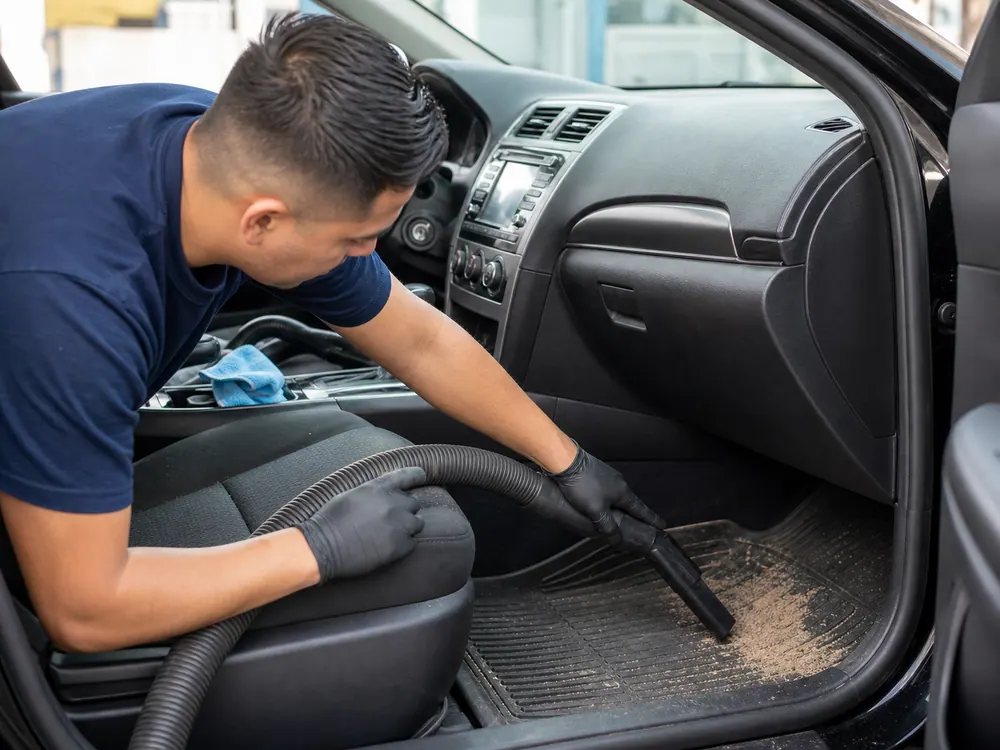
One dog ride can leave a surprising amount of evidence behind. The back seat looks furry in direct sun, the cargo carpet feels prickly, and every time you open a window, another little cloud moves across the cabin.
Add a South Bay weekend and the job gets trickier. Dog hair mixes with fine sand from your shoes, dusty parking lots, damp towels, and coastal air. Even if the dog never goes near the beach, a walk in Redondo Beach or a dog-run stop in Manhattan Beach can end with grit and fur sharing the same seat seams.
If you are figuring out how to get dog hair out of your car, the answer is not endless vacuuming. The order matters. Remove the loose grit first, lift the hair that is hooked into the fabric, and keep the mess from blowing into areas you already cleaned.
Why a vacuum leaves so much hair behind
Car carpet is tougher and coarser than the carpet in most homes. Short, stiff dog hairs can work into that texture like tiny splinters. Cloth seat fibers grab them too, especially where a dog turns around, braces against a seatback, or leans into a cargo panel.
There is also an airflow problem. Driving with the windows cracked can move loose hair from the back seat to the floor, center console, and front seat rails. By the time you park, the fur is no longer sitting in one easy pile.
That explains the classic frustration: the vacuum bin has hair in it, but the car still looks covered. Suction removed what was loose. It did not release what was woven into the surface.
Clear the sand before you work on the fur
South Bay dog cars often carry two different kinds of debris. Hair wants friction; sand should be lifted without being dragged across upholstery or plastic.
Start dry. Pull out the floor mats, dog bed, blanket, crate liner, and removable seat cover. Shake or wash those items away from the car so the fur does not fall straight back into the cabin. Then vacuum the loose sand, crumbs, and surface hair from the seats, carpet, and cargo area.
This first pass does not need to be perfect. Its job is to remove the abrasive grit before you use a brush or rubber tool. That is especially useful after a dusty trip through Torrance, a windy coastal walk near Hermosa Beach, or a weekend when family beach gear shared the cargo area with the dog.
If anything is damp, let it dry before brushing. Wet sand smears, and damp fur clumps into fabric edges. A dry interior is much easier to read and clean.
Use a two-pass method on carpet and cloth
Once the loose debris is gone, work in sections about the size of a sheet of paper.
- Move a clean rubber pet-hair brush or slightly damp rubber glove across the fabric in one direction.
- Gather the loosened hair into a small line or pile instead of spreading it across the whole seat.
- Vacuum that pile immediately.
- Repeat from another direction only where hairs remain.
The rubber is there to create gentle drag, not to scrub hard. Test any tool in a hidden spot first, and stop if it pulls threads, changes the fabric texture, or marks the surface. Skip sharp scrapers and internet tricks that were not designed for your upholstery.
Save the narrow spots for the end: seat stitching, buckle openings, seat rails, the carpet edge beside the door sill, and the hinge side of a folding rear seat. For hatchbacks and SUVs, lift the cargo floor if it is designed to open. Hair often collects along the lip and around the spare-tire cover because every bag, leash, and blanket passes over that edge.
Match the tool to the interior surface
Not every part of the cabin should get the same treatment.
On coarse carpet, short rubber strokes followed by vacuuming usually work better than fast passes with the hose alone. On cloth seats, use lighter pressure and pay attention to stitched seams. A lint roller can finish a small flat area, but it becomes slow and wasteful on an entire cargo floor.
Leather and vinyl are different. Hair usually sits on top, so a vacuum with a soft attachment and a clean microfiber are the safer starting points. Do not drag a dry, gritty towel across the seat. Remove the sand first, then wipe according to the vehicle maker’s care instructions.
The same rule applies to screens, gloss-black trim, and door panels: keep the pet-hair tool on the fabric it was made for. A cabin is a mix of materials, and the fastest cleanup is still one that does not create a new mark.
Make the next dog ride easier to clean
The biggest time-saver is a removable barrier. A washable rear-seat cover, cargo liner, or dog blanket catches most of the hair before it reaches factory carpet. Take it out and clean it after a heavy-shedding trip instead of leaving it in the car for another week.
A few smaller habits help too:
- brush a heavy-shedding dog before the ride
- keep one towel for damp paws and another for the seat
- let wet gear and wet dogs dry before a long ride when practical
- vacuum the main riding zone before fur spreads under both front seats
- store the leash and brush in a washable bin instead of loose on the carpet
That routine matters around Redondo Beach, Hermosa Beach, Manhattan Beach, and Torrance because dog hair rarely arrives alone. Fine parking-lot dust, beach sand on human feet, and moisture from the marine layer can turn a light shedding week into an interior that feels dirty everywhere.
Decide between a wash and a deeper interior reset
A light layer of loose hair, dusty mats, exterior grime, and normal weekend debris is maintenance territory. A full-service wash in Redondo Beach can pair an interior vacuum and surface wipe with the outside wash, which is helpful when the whole car needs a practical reset.
Pet hair has moved into detailing territory when it is knitted into the cargo carpet, packed along seat seams, mixed with a stain, or tied to an odor that returns after the visible fur is gone. The interior options on the detail menu include deeper vacuum work and upholstery, mat, and carpet cleaning. Since every pet mess is different, use the contact page to describe the hair, interior material, and any odor before booking.
That is true whether the car lives in North Redondo Beach, makes regular park runs from Torrance, or carries the dog between Hermosa Beach and Manhattan Beach.
Dog hair is easiest to handle before it becomes part of the carpet. Pull out the covers, remove the sand, loosen the embedded fur, and vacuum as you go. If the back seat still looks furry after that sequence, bring the car to Redondo Car Wash at 617 Torrance Blvd and let us help you choose the right level of interior cleanup.
Up next
First time here? Unlock your free wash.
Built for sandy South Bay cars, clear prices, and no membership games.
Keep reading
More from the blog
Oct 2026
When can you wash your car after a windshield replacement? A South Bay timing guide
Got a new windshield? Learn when a car wash is safe, what the first 24 hours protect, and how South Bay drivers can avoid stressing the new seal.
Oct 2026
Car wash after LAX parking: what South Bay drivers should clean first
Back from LAX? Check airport dust, bird marks, luggage grit, and cabin mess, then choose the right South Bay wash for the drive home.
Sep 2026
Car cleaning after soccer practice: a South Bay parent's game plan
Keep mud, turf pellets, grass, and damp gear from taking over your car after soccer practice with a practical South Bay cleanup routine.