
August 18, 2026 · Joe Molina
How to get vomit smell out of a car after someone gets carsick in the South Bay
Get vomit smell out of a car after a carsick passenger with safe first steps, surface-specific cleanup, and advice for South Bay drivers.
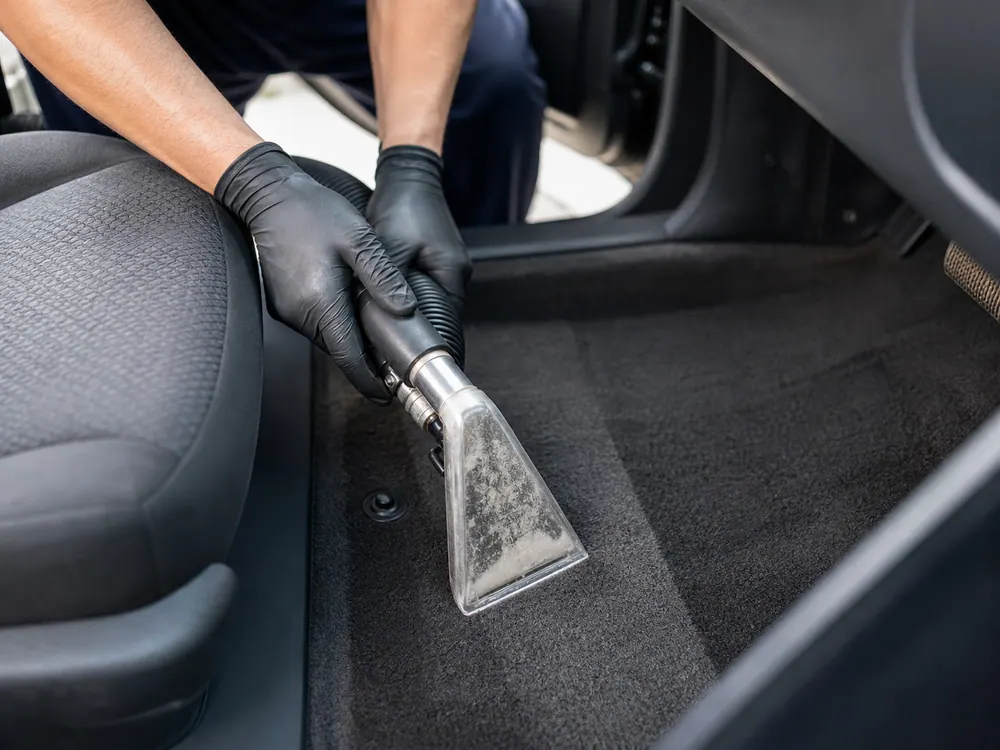
One rough stretch of summer traffic can turn a normal beach day into an interior-cleaning problem. A child gets carsick on the way home from Manhattan Beach, a passenger feels ill during a rideshare shift, or someone cannot make it through stop-and-go traffic on PCH. The immediate goal is not making the cabin smell nice. It is getting everyone safe, containing the mess, and removing the source.
If you are searching for how to get vomit smell out of a car, work in that order. Fragrance can cover the odor for an hour. Residue inside a seat seam, carpet pad, or buckle area will announce itself again as soon as the South Bay sun warms the cabin.
First job: protect people and contain the mess
Pull over somewhere safe before trying to clean anything. Move passengers away from the affected area, open the doors for ventilation when the location allows, and put on disposable or washable rubber gloves.
Cover wet material with paper towels or another disposable absorbent material. Lift the bulk away instead of rubbing it across the seat. Do not run a regular vacuum over fresh vomit; that can spread contaminated material through the tool and into a wider area. Seal used towels and waste in a leak-resistant bag, then wash your hands after the gloves come off.
If the passenger may have a contagious illness rather than simple motion sickness, treat the incident as a health cleanup. The CDC’s norovirus guidance recommends immediate cleanup, gloves, careful disposal, and a disinfectant used according to its label. Vehicle fabrics, leather, plastics, and electronics are not all compatible with the same disinfectant, so check both the product directions and the vehicle owner’s manual. Never improvise a mixture of bleach, vinegar, ammonia, or other cleaners.
Follow the splash one row farther than you think
The obvious spot is often only the center of the problem. A moving vehicle sends liquid forward, down, and between parts. Once the loose material is gone, inspect with a flashlight before adding cleaner.
Check the seat face and side seam, the gap between the cushion and backrest, the carpet below, the back of the seat ahead, and the lower door panel. Look around the seat-belt latch without pouring anything into it. If a removable floor mat was hit, lift it now so the carpet underneath does not stay damp.
Powered seat tracks, vents, USB ports, speaker grilles, and buckle openings deserve extra care. Blot what you can reach, but do not flood or probe those areas. If liquid entered an electrical opening or a buckle no longer works normally, cleaning is no longer the only issue; the vehicle or restraint may need inspection.
This wider check is especially useful after curving coastal drives or summer traffic between Hermosa Beach and Redondo Beach. Ten more minutes of driving can move a small mess well beyond the mark you first saw.
A child safety seat is not normal upholstery
A removable child car seat may look like another piece of fabric, but its harness, buckle, padding, flame-resistant materials, and plastic shell are safety equipment. Do not treat it with the same extractor, steam, enzyme product, or disinfectant you might choose for the vehicle’s carpet.
Find the exact model’s manual and use only the cleaning methods the manufacturer approves. Some covers can be removed and washed in a specific way; some harnesses can only be wiped. Soaking straps, using harsh chemicals, or applying high heat may damage parts that have to perform in a crash. NHTSA also directs caregivers to follow the specific car-seat manufacturer’s instructions.
If vomit reached the harness adjuster, buckle, foam, or a part the manual does not explain, contact the manufacturer before putting the seat back into service. An auto interior detail does not replace that product-specific safety advice.
Match the cleaner to the vehicle surface
After the health cleanup and solid-material removal are complete, the remaining stain and odor need a surface-safe process.
For vehicle cloth or carpet, blot moisture first. An enzyme-based automotive upholstery cleaner may help break down organic residue, but only if its label approves the material and intended use. Test a hidden area, follow the dwell time on the label, and remove the loosened liquid instead of soaking the cushion. Extra product is not extra cleaning when it ends up trapped in foam.
Leather, synthetic leather, suede-like fabric, and perforated or ventilated seats need the method listed in the owner’s manual. A cleaner that is fine for carpet may discolor a seat or leave residue inside perforations. Hard plastic can usually be wiped more directly, but keep liquid away from switches and openings.
Skip fragrance until the source is gone. If the cabin smells strongly of perfume and vomit at the same time, the cleanup is not finished—it is just harder to diagnose.
Use a warm-cabin test before calling it finished
Drying is part of odor removal. Take removable mats out, use steady airflow, and keep the car secure while doors or windows are open. A damp marine-layer morning in Redondo Beach or Hermosa Beach may slow the process even when the fabric feels dry on top.
Once the area seems fully dry, close the car for 30 to 60 minutes and check it again after the cabin warms naturally. Heat makes hidden residue in carpet backing or seat foam easier to smell. That is useful information: an odor that returns only in a closed car usually points to a source below the cleaned surface, not a need for more air freshener.
Do not keep saturating the spot through repeated DIY rounds. If the smell comes back, the seat still feels damp, or the affected area is larger than you can safely clean, stop before moisture spreads deeper.
Know when a wash helps—and when to call first
A regular full-service wash is useful after the contamination itself is gone and the vehicle needs normal vacuuming, glass cleaning, exterior washing, and a hand dry. It is not active bodily-fluid cleanup, and a routine vacuum cannot remove residue from cushion foam or carpet padding.
The detail menu includes seat shampoo, carpet shampoo, and interior-detail options that may fit a remaining upholstery problem. Call first. Explain what happened, which surface was affected, when it happened, and whether the material is completely dry. Shops may have different safety policies, and an honest description prevents a wasted drive.
That call-ahead step applies whether the incident happened during a family run from North Redondo Beach, a commute through Torrance, a beach trip from Hermosa Beach, or a summer afternoon in Manhattan Beach.
Fast containment, the right cleaner, and complete drying give you the best chance of solving the problem once. If the remaining odor has settled into vehicle upholstery, use the contact page before heading to 617 Torrance Blvd. We can help you sort out whether a normal interior reset makes sense or whether the condition needs a different kind of specialist.
Up next
First time here? Unlock your free wash.
Built for sandy South Bay cars, clear prices, and no membership games.
Keep reading
More from the blog
Oct 2026
When can you wash your car after a windshield replacement? A South Bay timing guide
Got a new windshield? Learn when a car wash is safe, what the first 24 hours protect, and how South Bay drivers can avoid stressing the new seal.
Oct 2026
Car wash after LAX parking: what South Bay drivers should clean first
Back from LAX? Check airport dust, bird marks, luggage grit, and cabin mess, then choose the right South Bay wash for the drive home.
Sep 2026
Car cleaning after soccer practice: a South Bay parent's game plan
Keep mud, turf pellets, grass, and damp gear from taking over your car after soccer practice with a practical South Bay cleanup routine.