
July 27, 2026 · Joe Molina
Marine layer on your car in Redondo Beach: why it looks dirty by noon
Foggy coastal mornings leave damp salt film on parked cars. Here is how Redondo Beach drivers keep marine-layer grime from sticking.
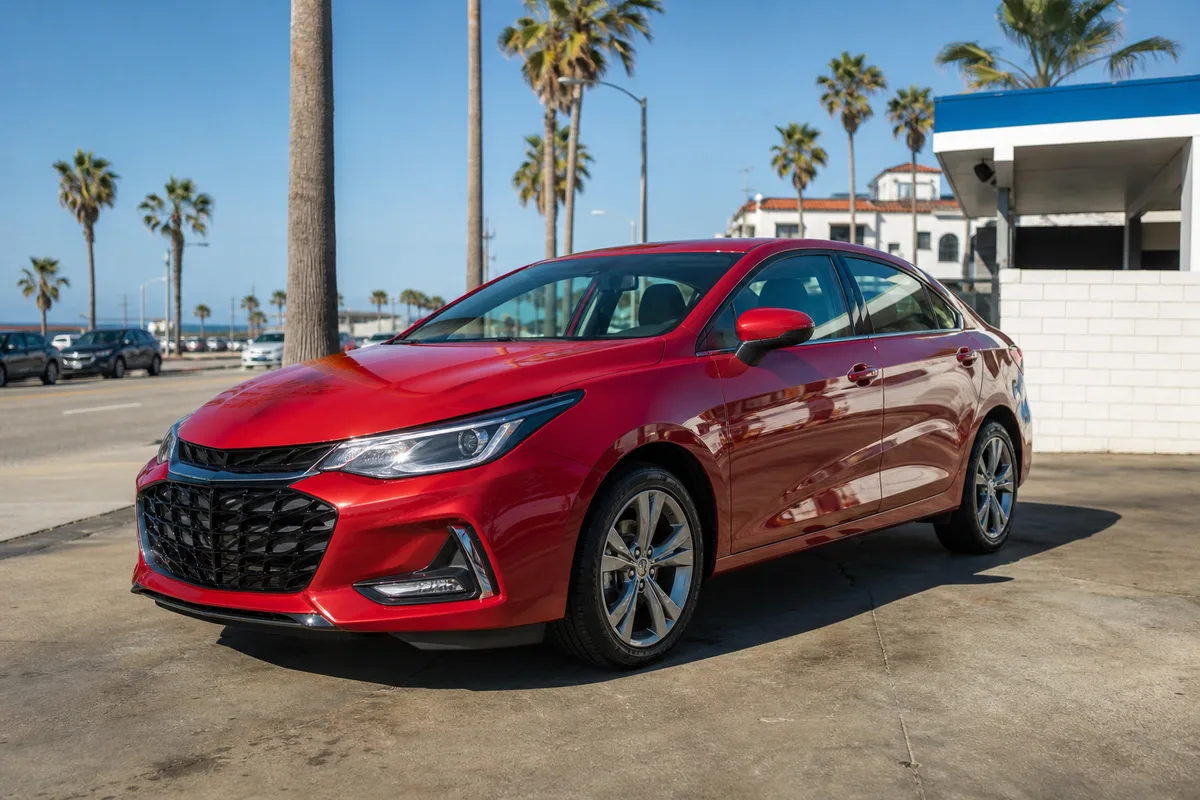
Some South Bay cars look clean at 7:00 in the morning and tired again by lunch.
That is not your imagination. It is the marine layer doing exactly what coastal weather does best: taking yesterday’s salt, dust, and road film, giving it fresh moisture, and helping it stick a little harder before the sun burns through.
That is also why people end up looking for a Redondo Beach car wash on weeks when they barely drove. The car did not need a road trip to look dull. It only needed one damp night near the coast and one sunny afternoon afterward.
If your vehicle spends nights in Redondo Beach, beachside Hermosa, the Manhattan Beach Sand Section, or the western side of Torrance, this is the part of local car care worth understanding.
Marine layer does not arrive on a clean surface
The marine layer is not the whole mess by itself. The real problem is that it lands on top of whatever is already there.
Maybe the car picked up salt air near Veterans Park. Maybe it sat on Catalina after dinner. Maybe it did the school-run-to-beach-chair loop and came home with fine dust on the glass, sunscreen on the door pulls, and road film from Torrance Blvd on the lower panels.
Overnight moisture turns that light residue into a tackier film. Then the late-morning sun dries it back down.
That is why coastal buildup can feel sneaky. A car can still look decent from the driveway, but the windshield starts flaring at sunset, the mirrors look chalkier than they should, and the hood stops feeling smooth when you run a hand across it.
The first useful insight is simple: the marine layer usually makes yesterday’s dirt more stubborn, not more dramatic.
Parking location changes how long the residue stays wet
Two cars can get the same wash on Friday and look very different by Monday just because they slept in different places.
A car parked west of PCH in South Redondo or near the waterfront usually stays in that damp coastal pocket longer. A car in an open apartment lot in North Redondo Beach still gets the moisture, but not always with the same intensity. A garage-kept commuter farther inland in Torrance has a much easier week, even if it covers more miles.
That is the second insight: marine-layer grime is partly a parking-map problem.
You do not need ocean spray on the paint for this to matter. Open curb parking, condo lots, and cars left outside after summer traffic all give the film more time to sit, re-wet, and dry again. Family SUVs doing beach runs from Redondo to Hermosa Beach and Manhattan Beach feel it fast because the outside grime and the inside mess usually arrive together.
Dawn wipe-downs are usually the mistake
This is where people turn a small cleanup into a scratched one.
The car looks foggy. You are headed to work, to surf, or to a Saturday game. So you wipe the hood, brush off the glass, or run a dry towel across the rear hatch and call it good.
That quick fix is usually the wrong move near the beach.
In the morning, the surface is often cool, lightly damp, and still carrying fine grit. Wiping at that stage drags residue instead of lifting it. Gloss-black trim, dark paint, mirror caps, and piano-black pillars usually show the damage first, but lighter cars do not escape it either.
If the car looks dirty after a marine-layer morning, the safer move is to let the surface dry and then wash it properly, or use one of the wash packages if the grime is more than a light film. South Bay beach days are already hard enough on paint. A rushed towel pass does not need to become part of the problem.
Glass, mirrors, and hatch seams tell the story first
Most drivers judge the whole car by the center of the doors. That is usually the last place to tell the truth.
The better check is smaller and faster:
- look at the side glass when the sun hits from the west
- check the mirror caps before you check the hood
- look at the roof edge where moisture sits longer
- open the hatch or trunk and inspect the seam
- scan the top of the rear bumper where hands, bags, and beach gear keep touching
Those are the early-warning spots on coastal cars. If they already look filmy, the rest of the vehicle is usually closer behind than it appears.
This is the third insight in the post: marine-layer buildup shows first in the parts that hold moisture and handling residue together. That is why a car can feel older around the edges before it looks fully dirty from twenty feet away.
A South Bay routine that keeps the film small
The best routine is not complicated. It is just earlier than most people think.
If the car parks outside near the coast and the mess stayed mostly on the outside, do not wait for another damp night to stack on top of it. Clean it while the film is still in maintenance territory.
If the car also picked up sandy mats, sticky handles, or hazy inside glass after a weekend at Torrance Beach or a family stop near the Redondo waterfront, that is usually the moment to step up from a quick outside reset to full service. If the finish still feels rough or the trim still looks tired after a normal wash, that is when detailing starts making more sense.
The practical version looks like this:
- garage-kept inland cars can usually be more relaxed
- outside-parked coastal cars should use the damp morning as a trigger, not the odometer
- beach-weekend cars should be cleaned before the next marine-layer night when possible
- dark paint, glass roofs, and gloss-black trim should be treated earlier because they show the film faster
That routine works for commuters, family vehicles, and beach regulars because it fits the actual South Bay pattern instead of pretending all dirty cars got that way from the same kind of driving.
Before the next gray morning
The marine layer is part of living near the beach. Letting it sit on an already-dirty car is optional.
If your vehicle keeps looking half-clean by noon after foggy mornings in Redondo Beach, the easiest fix is usually a timely wash, not another driveway wipe-down. Compare the wash packages, look at detailing if the finish is already past the easy stage, or use the contact page before the next gray morning gets another turn.
Up next
First time here? Unlock your free wash.
Built for sandy South Bay cars, clear prices, and no membership games.
Keep reading
More from the blog
Oct 2026
When can you wash your car after a windshield replacement? A South Bay timing guide
Got a new windshield? Learn when a car wash is safe, what the first 24 hours protect, and how South Bay drivers can avoid stressing the new seal.
Oct 2026
Car wash after LAX parking: what South Bay drivers should clean first
Back from LAX? Check airport dust, bird marks, luggage grit, and cabin mess, then choose the right South Bay wash for the drive home.
Sep 2026
Car cleaning after soccer practice: a South Bay parent's game plan
Keep mud, turf pellets, grass, and damp gear from taking over your car after soccer practice with a practical South Bay cleanup routine.