
July 23, 2026 · Joe Molina
Do beach cars in Redondo Beach need an undercarriage wash?
Beach parking and salt air matter, but most South Bay cars need wheel, lower-panel, and regular wash care first. Here is when an undercarriage wash helps.
People hear “salt air” and picture the whole underside of the car dissolving by next weekend.
That is usually not how South Bay cars age.
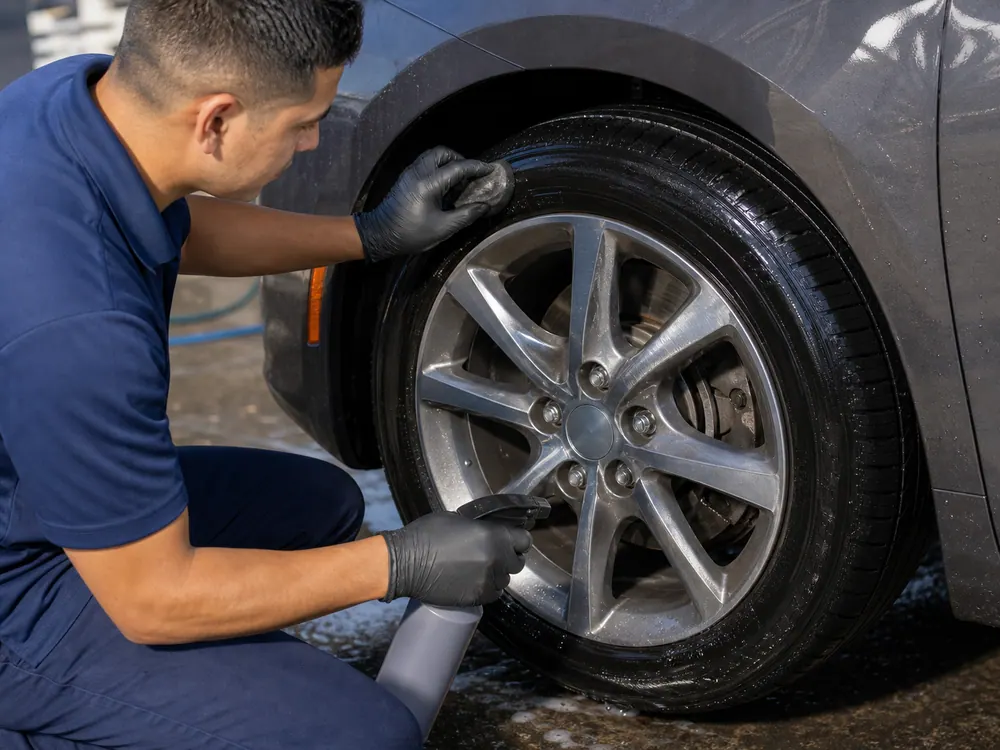
Around Redondo Beach, Hermosa Beach, Manhattan Beach, and coastal Torrance, the first visible trouble usually shows up on the lower body, wheels, seams, and trim long before most drivers ever spot a serious underbody problem. The underside still matters. It just is not always the first job.
If you have been searching for an undercarriage wash in Redondo Beach, the useful answer is this: some beach cars need that extra attention, but a lot of local drivers really need a better routine for the parts they can already see.
The undercarriage question usually starts with the wrong picture
Most local cars are not fighting the same abuse as a vehicle that spends winters in road salt slush.
What they are dealing with is smaller, steadier buildup:
- ocean moisture carrying salt
- beach-lot dust and sand
- grime kicked up from PCH, Torrance Blvd, and daily stop-and-go driving
- wet residue that sits overnight, then bakes the next afternoon
That difference matters.
If your car spends a Saturday near King Harbor, the Hermosa Strand, or Manhattan Beach parking lots, the immediate problem is usually not hidden rust across the whole floor pan. It is the mix of sand, damp film, and traffic grime settling into the wheel wells, lower panels, rear bumper edge, and exposed hardware around the wheels.
That is the first useful shift in thinking: beach parking is hard on the lower half of the car first, not only the invisible center underneath.
What actually lands underneath a South Bay beach car
The underside of a local daily driver picks up more than one thing at once.
There is fine grit from the lot. There is dirty moisture from marine layer mornings. There is road film from the drive back inland. On family SUVs and beach-hauler crossovers, there is also sand and water dripping off coolers, chairs, wagons, and boogie boards while the rear bumper and cargo edge are getting bumped around.
After a long weekend loop between Redondo, Hermosa, Manhattan Beach, and North Redondo Beach, that buildup usually concentrates in four places:
- wheel wells
- rocker panels and lower seams
- suspension and brake hardware you can see through the wheels
- the rear underside near the bumper and hatch area
That is also why a lot of “undercarriage” concern is really lower-body concern.
One local detail people miss: county beach lots are parking-only areas, not places to do vehicle cleanup. The smarter move is to note what the lower car picked up, then handle the wash after you leave instead of trying to fix it in the lot.
When an underbody rinse moves from optional to smart
Not every coastal car needs special underbody attention after one beach stop. Some do need it sooner than others.
Move it higher on the list if one of these sounds familiar:
- The car lives outside near the coast most nights, especially west of PCH.
- You drove through wet beach-lot puddles, storm runoff, or gritty standing water.
- You own an older truck, SUV, or van with more exposed metal underneath.
- You already see orange surface corrosion on visible brackets, exhaust sections, or suspension hardware.
- The car does constant beach duty with kids, boards, sports gear, or rideshare mileage on top of coastal parking.
That is the second useful insight here. Repetition is the real accelerator.
One dry afternoon at Torrance Beach is rarely the whole story. Repeated outdoor parking, damp coastal nights, and lower-body grime that never really gets reset are what make the underside worth thinking about more seriously.
Check these spots before you worry about the whole car
If you want to know whether your beach car is staying ahead of the problem, do not crawl under the middle of the car first.
Start where coastal wear usually shows itself earlier:
- The lip of the wheel wells
- The lower rocker area behind the front wheels
- Door-bottom seams and drain areas
- The rear bumper underside and hatch edge
- Visible brake and exhaust hardware
If those zones are already dusty, chalky, sandy, or lightly orange, the underside is probably not perfectly clean either.
If they still look sharp, the car likely needs consistency more than escalation.
That is the third insight. Visible lower-car clues are often more useful than guessing about hidden corrosion. They tell you whether the car is in normal maintenance mode or whether the coastal buildup has started lingering too long.
What service makes sense for most local cars
For a lot of South Bay vehicles, the right answer is not a specialty service first. It is matching the wash to the kind of mess the car actually has.
Start with a regular wash when the problem is mostly outside
If the car picked up dusty lower panels, beach-lot film, dull wheels, or salty residue after a day by the water, the current wash packages are usually the right first move. That handles the fast reset before the grime sits through another coastal night.
Step up to full-service when the inside joined the mess
If the same trip also left you with sandy mats, gritty door sills, or a cargo area that feels beach-used, a full service car wash in Redondo Beach makes more sense than treating the undercarriage question like the whole story. The lower half and the cabin often get dirty together.
Move to detailing or inspection when the car has crossed the line
Use the detail menu when the paint still feels rough, the lower trim stays chalky, or packed sand and residue keep hanging around after routine washing.
Use the contact page or a trusted mechanic when the issue looks more structural than cosmetic: flaking rust, heavy corrosion on visible hardware, or anything underneath that looks beyond ordinary beach grime.
That is the honest local answer. Some problems need cleaning. Some need correction. Some need inspection.
Conclusion
Beach cars in Redondo Beach do not all need a special undercarriage wash after every ocean-side errand. They do need coastal grime handled before it keeps cycling through damp nights and sunny afternoons.
For most local drivers, that means paying attention to the wheels, wheel wells, rocker panels, lower seams, and the inside of the car at the same time. If those areas stay clean, the underside usually stays easier to manage too.
If your car has been bouncing between beach parking and weekday commuting, stop by 617 Torrance Blvd for the kind of reset that fits the mess you actually have. A timely wash is often the cheaper answer than waiting until the whole lower half of the car starts telling on you.
Up next
First time here? Unlock your free wash.
Built for sandy South Bay cars, clear prices, and no membership games.
Keep reading
More from the blog
Oct 2026
When can you wash your car after a windshield replacement? A South Bay timing guide
Got a new windshield? Learn when a car wash is safe, what the first 24 hours protect, and how South Bay drivers can avoid stressing the new seal.
Oct 2026
Car wash after LAX parking: what South Bay drivers should clean first
Back from LAX? Check airport dust, bird marks, luggage grit, and cabin mess, then choose the right South Bay wash for the drive home.
Sep 2026
Car cleaning after soccer practice: a South Bay parent's game plan
Keep mud, turf pellets, grass, and damp gear from taking over your car after soccer practice with a practical South Bay cleanup routine.